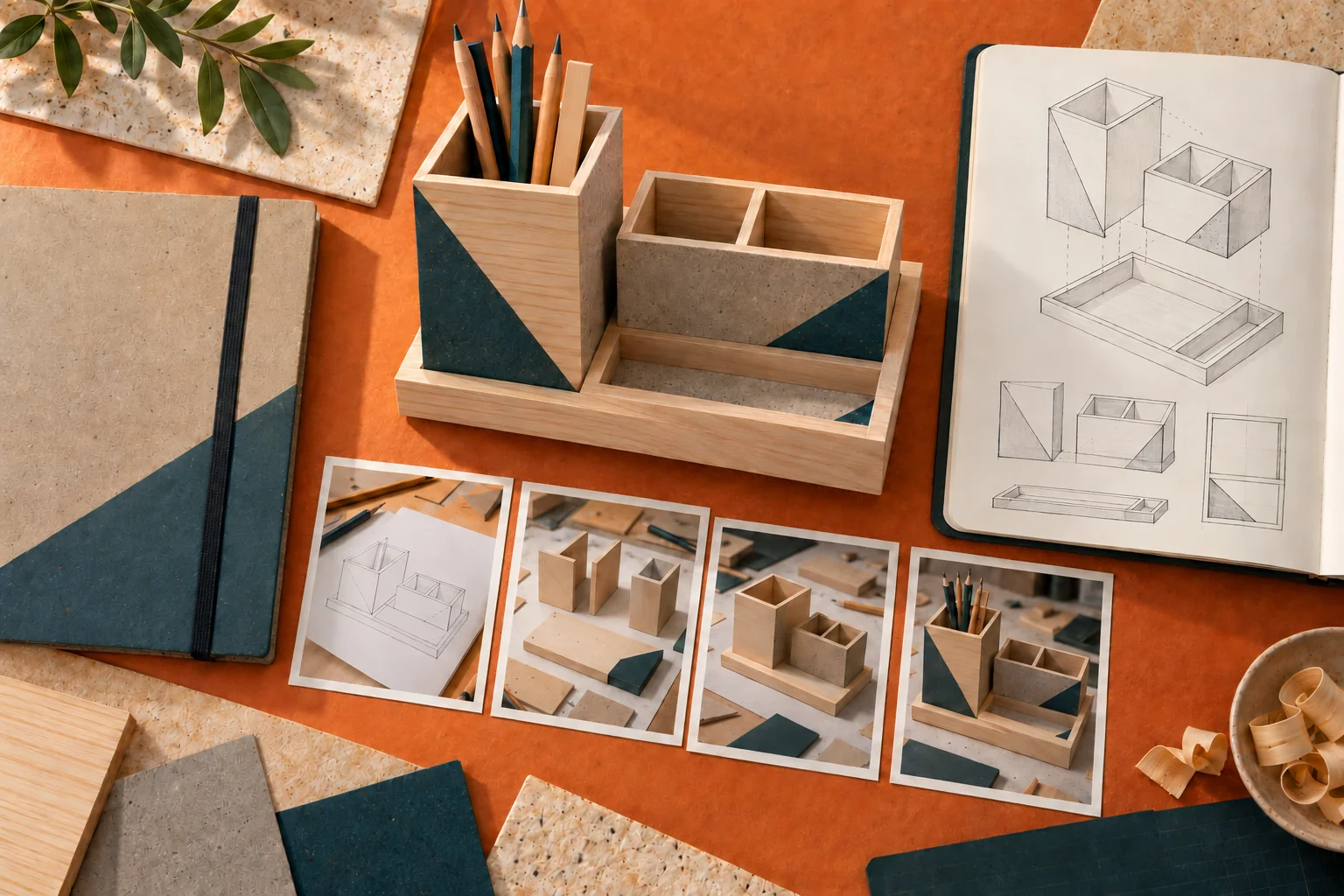
Six parts of a developing portfolio
- Short objective: what field am I exploring and what question am I resolving?
- Education: qualification and subjects or major, without public transcripts or document numbers.
- Projects: problem, my role, process, outcome and learning.
- Skills: a concrete example for each skill rather than inflated self-ratings.
- Feedback: what did a supervisor say and how did I improve?
- Plan: a realistic next action, date and source for requirements.
An example of describing an experience
Instead of “data expert”: “In a study project I created a table from public data, documented cleaning, produced three charts and discussed the limits of the conclusions.” This is a writing example; do not claim it unless you did the work.
Keep private and shareable versions
Submit required documents only through the organisation’s official channel. Do not publish identity documents, home address, student number or peers’ data in a public link. Check ownership and permission to share a project. Younger students should review shareable material with a parent or school.
Review the portfolio monthly
Add one improved piece of work and remove claims you cannot substantiate. Keep the date, project version and improvement notes. Use the “Your Oman journey” tool to print a draft and 90-day plan, then continue developing it outside the site.